Auckland Wide
E-mail us: service@plumberauckland.co.nz
24 Hour Service - 7 Days a Week

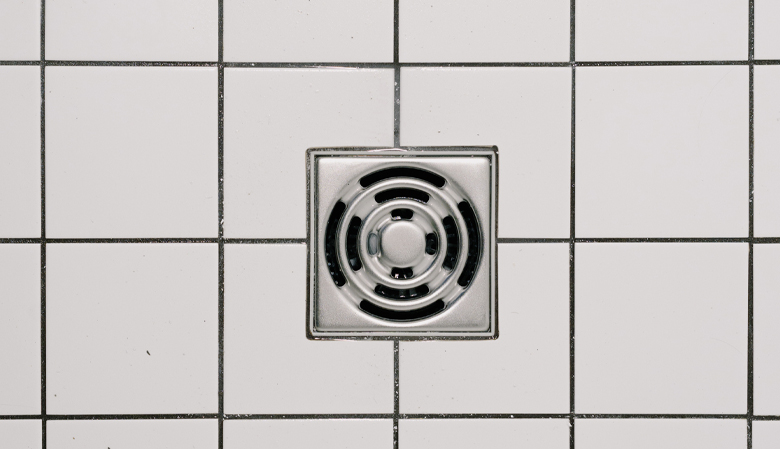
One of the most important tasks of a property owner is to ensure that their drains and toilets are functional and usable for anyone and at any time. Shower drains are a frequent source of trouble with issues like slow draining and blockages. These may appear as a minor issue at first, one that you ignore and put on the back burner thinking that given time, it will simply go away. Hate to break it to you, there are hardly any plumbing issues that will "simply go away with some time."
The main culprit of shower drain blockages is hair. Lots and lots of hair, short and long, that gets entangled and catch on to soap, cleaning chemicals and other waste materials and build into sludge. While there are some blockages that can be remedied using homemade remedies, you should resort to skilled and trained plumbing services if the issues persist.
How do you ascertain that you have a clogged shower drain? It is simple; it takes ages for the water to drain away. You might have already finished your shower, and you might be still standing in a puddle of soapy water because of the slow draining. If you are still running a shower, you might even end up flooding the bathroom, causing more cleaning troubles and accidents due to slippery floor.
Firstly, you should remove the accumulated grime at the drain opening on the floor. You can see water draining off faster. If you want to ensure good drainage health and hygiene, it is recommended that you clean up the hair after each shower. Not only does it help drain faster, but also makes your bathroom look well-kept and free from germs.
If pulling out hair from the immediate surface does not resolve your water draining issue, then you might have to disassemble the mesh, remove the gunk beneath and around the drainpipe, clean, and reinstall it again. You can also try unclogging the drain using baking soda, or a solution of baking soda and vinegar. It is an extremely popular way of unclogging drainage. While it works for small blockages, it is not a reliable or long-lasting solution for tough drainage issues. There are also over-the-counter chemicals available to help drain the pipes properly. However, the downside of these is that they are very harsh, hazardous to your hands and also damaging to the drainpipe materials because of corrosive chemical reaction. Prolonged use of such chemicals to unblock drains often results in more trouble later and expensive plumbing repair works like relining or replacing the entire pipe network.
Apart from hair, some of the other problematic materials that causes troubles once they get into the drain pipe are:
It looks pretty harmless, giving the impression that it will get washed away along with the soap and water. However, it is not that innocent as it appears, in fact, it is more harmful than hair. Over time, the oil attracts waste and builds up into a tough clog.
The oil residue sticks to the flanks of the pipes and gathers to become a thick layer, making it difficult for any liquid to pass through. As season changes, the complications grease causes also increase. In winters, oil clogs more easily, resulting in a seriously clogged pumping system. One way to address and control the flow of grease that goes down the drain pipe is to install grease traps to collect the gunk before it flows down into the sewer pipes.